|
|
|
| |
| ABSTRACT |
|
This study aimed to compare the effects of low-load circuit training (LL-CT) and moderate-load circuit training (ML-CT) on physical performance adaptations, hormonal responses, and hematological parameters in resistance-trained men. Thirty-two resistance-trained males (age 20.31 ± 1.00 y) were randomly assigned to three groups: LL-CT (n = 11), ML-CT (n = 11), or CON (n = 10). Participants in the training groups performed two sessions per week for 8 weeks. Both protocols consisted of four rounds of five exercises in a circuit format with a 30 s work:30 s rest duty cycle and 2-min inter-set rest. Exercise intensity was prescribed as 30% 1RM (LL-CT) or 70% 1RM (ML-CT), where 1RM was determined for four lifts: power clean, back squat, bench press, and deadlift. Loads during each exercise were expressed as a percentage of that exercise’s own 1RM. Pre- and post-intervention measures included one-repetition maximum in the back squat and bench press (kg); countermovement jump and squat jump height (cm); 30-m sprint time (s); 505 change-of-direction time (s); peak power (W) and relative peak power (W·kg-1); and maximal oxygen uptake VO2max (mL·kg-1·min-1). Blood samples were collected to analyze resting hormone levels and hematological profiles. Both the LL-CT and ML-CT groups showed significant improvements in 1RM, CMJ, SJ, 30-m sprint, 505 agility, PP, and VO2max (p < 0.05), whereas the CON group only improved in squat 1RM (p < 0.05). No significant differences were observed in RPP across all three groups (p > 0.05). Between-group comparisons revealed that only 1RM showed significant superiority in the training groups compared to CON (p < 0.05), with no significant differences observed in other performance outcomes (p > 0.05). Both LL-CT and ML-CT resulted in significant increases in total testosterone (T) and mean corpuscular hemoglobin concentration (MCHC) (p < 0.05), while only ML-CT showed a significant improvement in hemoglobin (HB). No significant changes were observed in red blood cell (RBC) count, white blood cell (WBC) count, red cell distribution width (RDW), or hematocrit (HCT) across groups. Under comparable hormonal responses and hematological adaptations, LL-CT demonstrated greater mechanical efficiency while achieving physical performance improvements equivalent to those of moderate-load training. |
| Key words:
Circuit training, resistance-trained men, training load, physical performance, hormones, hematology
|
Key
Points
- In resistance-trained men, LL-CT was associated with improvements in physical and physiological outcomes, even when performed with lower external loads.
- Under the conditions of this study, the overall responses to LL-CT were broadly comparable to those observed with ML-CT.
- When reducing external load is desirable or necessary, LL-CT may represent a feasible training option with practical applicability.
|
Training practices aimed at both health promotion and athletic performance commonly seek to improve cardiorespiratory fitness and muscular strength and power concurrently within limited time (Garber et al., 2011). As a time-efficient form of concurrent training, circuit training (CT) has garnered attention because it can elicit multidimensional adaptations—across aerobic capacity, muscular endurance, and neuromuscular function—within a single session (Alcaraz et al., 2008; Ramos-Campo et al., 2021). CT is typically performed as repeated rounds of a pre-specified exercise sequence under an explicit work–rest structure with brief inter-station recovery, loading may be provided by body mass, free weights, elastic bands, or machines (Klika and Jordan, 2013; Da Silva et al., 2010). Depending on the prescription, CT can be implemented across intensity zones—low (<60% 1RM), moderate (60-80% 1RM), and high (>80% 1RM); repetitions may be fixed by count or completed as time-based sets (e.g., 30 s), and very short rests between exercises (e.g., 30 s) are commonly used to produce high session density (Muñoz-Martínez et al., 2017). Accordingly, external load and training density (work–rest ratio and inter-station recovery) operate as two key levers that jointly shape the physiological stimulus of CT (Garber et al., 2011). In recent years, with the integration of new technologies and heightened sport-specific demands, training programs have trended toward shorter duration, greater dynamism, and an emphasis on key movement patterns (Iversen et al., 2021). Accordingly, some sports have adopted CT to train skills, strengthen team coordination, and develop specific physical attributes (Hermassi et al., 2020). At the same time, compared with traditional aerobic or conventional resistance training, circuit-based prescriptions often yield greater exercise enjoyment and better adherence (Heinrich et al., 2014). Unlike approaches that target a single fitness component, CT organizes multi-joint, compound exercises into time-structured circuits to promote concurrent adaptations in cardiorespiratory endurance, muscular strength, and power, thereby supporting general physical preparedness (Ramos-Campo et al., 2021). These capacities are positively associated with health-related quality of life across ages, sexes, and clinical populations with chronic conditions, further underscoring the value of CT in both health promotion and athletic practice (Martínez-Vizcaíno et al., 2023). In addition to physical performance improvements, CT may elicit endocrine system adaptations. Acute bouts of CT have been shown to modulate levels of testosterone and cortisol (Mangine et al., 2018), while chronic interventions may elevate testosterone and the testosterone-to-cortisol (T/C) ratio (Cadegiani et al., 2019). Higher testosterone levels, in particular, are commonly linked to greater muscular strength and superior sprint performance (Crewther et al., 2012). Hematological and biochemical parameters also play a critical role in reflecting physiological adaptations. Parameters such as hemoglobin (Hb), red blood cell count (RBC), and hematocrit (HCT) may exhibit favorable changes following both acute and chronic training stimuli (Ciekot-Sołtysiak et al., 2024), with improvements often correlating with enhanced aerobic capacity. One of the key determinants of physiological adaptation in CT is the magnitude of external resistance load (Kraemer and Ratamess, 2005). In practical CT implementation, external load serves as a fundamental variable regulating both neuromuscular tension and metabolic stress. It directly influences motor unit recruitment patterns and may also modulate hormonal and hematological responses (Garber et al., 2011). Preliminary studies suggest that, among physically active individuals, low-load CT may produce comparable improvements in muscle mass and maximal strength to those achieved with moderate-load CT, offering the advantage of reducing musculoskeletal strain while still promoting muscular development (Kapsis et al., 2022). Nevertheless, comprehensive comparative research on the effects of CT at different loading intensities in resistance-trained men remains limited—particularly regarding its impact on hormonal regulation and hematological markers. Therefore, the present study aimed to compare the effects of low-load (LL - CT) and moderate-load circuit training (ML - CT) on physical performance, hormonal profiles, and hematological adaptations in resistance-trained males. ParticipantsAn a priori power analysis (G*Power 3.1) was conducted for the Group × Time interaction on two co-primary endpoints (back squat 1RM and CMJ height), specified with a repeated-measures ANOVA proxy (3 groups, 2 time points). Inputs were Cohen’s f = 0.25, α = 0.05, power = 0.80, within-subject correlation = 0.70, and ε = 1.0, yielding a required total N = 30 (Lakens 2022, Wilke and Mohr 2020). Considering a potential 10% attrition rate, a total of 32 participants were initially recruited. The inclusion criteria were as follows: (1) male, aged between 18 and 30 years; (2) engaged in resistance training at least twice per week for the past 12 months, with a minimum continuous duration of six months; (3) free from major health conditions and not taking any hormone-related medications; (4) non-professional athletes not undergoing a periodized sport-specific training program. Following a familiarization session and baseline assessments, participants were randomly assigned to one of three groups: LL - CT, ML - CT, or control (CON). Allocation concealment was ensured through sealed opaque envelopes prepared by personnel not involved in the study. Group assignment was carried out by an independent staff member after baseline testing, and both researchers and participants were blinded to group allocation. During the intervention period, three participants dropped out: two due to missing more than one week of training and one due to involvement in collegiate team training. Ultimately, 29 participants completed the study (age: 20.31 ± 1.00 years; height: 1.78 ± 0.05 m; body mass: 68.53 ± 3.53 kg), comprising the LL - CT group (n = 10), ML - CT group (n = 10), and control group (n = 9). Participant characteristics are presented in Table 1. All participants were informed about the purpose and procedures of the study and voluntarily signed a written informed consent form prior to participation. All procedures involving human subjects were conducted in accordance with the Declaration of Helsinki. Ethical approval was obtained from the Ethics Committee of Guangzhou Sport University (Approval No. 2025LCLL-043), and the trial was registered on March 26, 2025, in the Chinese Clinical Trial Registry (Registration No. ChiCTR2500099633).
Experimental designThis study employed a randomized parallel-controlled design to compare the effects of low-load (LL - CT) and moderate-load circuit training (ML - CT) on physical performance, hormonal responses, and hematological parameters in resistance-trained males. The entire experimental period spanned 11 weeks, comprising a 2-week familiarization and pre-testing phase, an 8-week training intervention, and a 1-week post-testing phase (Figure 1). In the first week (Monday to Wednesday), participants underwent familiarization sessions during which testing protocols were explained, and baseline demographic data—including age, height, and body mass—were collected using a body composition analyzer (Inbody370, Korea). Forty-eight hours later (Friday), lower-limb explosive power was assessed using the countermovement jump (CMJ) and squat jump (SJ), followed by 30-m sprint and 505 change-of-direction (COD) agility tests. On Sunday, one-repetition maximum (1RM) for squat and bench press was measured to evaluate maximal strength. In the second week, Wingate anaerobic power testing was conducted on Tuesday, followed by maximal oxygen uptake (VO2max) testing on Thursday and Friday. These assessments are widely recognized as valid and reliable indicators of maximal strength, lower-limb power, anaerobic capacity, and aerobic fitness, respectively (Seo et al. 2012, Markovic and Jaric 2007, Pardos-Mainer et al. 2019, Beneke et al. 2002, Bassett and Howley 2000). To minimize the influence of circadian variation, all tests were performed at the same time of day for each participant. During the formal intervention phase, participants completed two non-consecutive training sessions per week (Monday and Thursday) over 8 weeks. Fasting venous blood samples were collected in the morning (08:00-09:00) before the start and after the conclusion of the intervention to assess changes in hormonal and hematological profiles. A total of 16 training sessions were supervised by research staff to ensure protocol adherence. Participants who completed at least 14 sessions (i.e., >85% attendance) were included in the final analysis.
Training routineBefore each training session, all participants performed a standardized warm-up consisting of 4 minutes of dynamic stretching followed by 4 minutes of activation drills, totaling 8 minutes in duration. The circuit training (CT) protocol consisted of five multi-joint compound exercises: barbell power clean, behind-the-neck back squat, barbell bench press, hex bar deadlift, and burpees. Each exercise was performed for 30 seconds, followed by a 30-second rest period during which participants transitioned to the next station. A 2-minute rest was provided between rounds. The full protocol included 4 rounds, totaling 24 minutes of training time. Participants were randomly assigned to either the LL - CT (low-load CT) or ML - CT (moderate-load CT) group. The prescribed repetition ranges for each group were determined based on a pilot trial to ensure feasibility and safety of the loading scheme within the 30-second time frame: (1) LL - CT group: Participants performed resistance-based exercises at 30% of their pre-determined one-repetition maximum (1RM), completing approximately 20-24 repetitions per exercise; (2) ML - CT group: Participants performed the same exercises at 70% of 1RM, completing approximately 8-10 repetitions. Burpees were executed as bodyweight-only exercises in both experimental groups, with participants instructed to complete as many repetitions as possible (AMRAP) during the 30-second interval while maintaining proper form and continuous power output. To ensure consistency and minimize potential bias, all movements were taught using standardized technique cues and were performed in sync with a metronome to control tempo. The control group (CON) did not participate in any structured training program during the intervention period. Each training session was supervised by two certified strength and conditioning specialists (NSCA-CSCS) per group. These coaches ensured technical proficiency, appropriate training intensity, and individualized adjustment of external loads when necessary. Heart rate was used as the primary real-time measure of training intensity. Participants wore Heart Zones Moves team-based heart-rate monitors during each session, with continuous monitoring throughout the intervention. In line with prior reports (Feito et al. 2018a), the ≥80% HR max zone was used only as a real-time observational reference to contextualize cardiovascular strain and support participants’ perceived-effort regulation. After each session, participants provided a session RPE (sRPE) on the CR10 scale for the overall session effort; this post-session value was used to index internal load (sRPE × duration). All training sessions were directly monitored by a member of the research team to ensure compliance and protocol fidelity.
Outcome MeasuresJump performance
Vertical jump performance was assessed using a timing mat (SmartJump vertical jump mat, Fusion Sport, Australia; flight-time method, jump height = g·t2/8). Throughout testing, participants kept both hands on the hips (akimbo) to eliminate arm-swing contributions. For each condition (CMJ and SJ), participants performed two maximal efforts with 60-90 s rest between trials and 2 min between conditions; invalid attempts were repeated, and the best valid height was retained for analysis. For the CMJ, from an upright stance (hands on hips) participants executed a rapid self-selected countermovement to their preferred depth and then jumped with maximal effort, while avoiding excessive trunk flexion or in-air hip/knee flexion that could interfere with timing-mat detection (Jiménez-Reyes et al. 2017). For the SJ, participants started from a static squat at ~90° knee flexion, verified at setup with a handheld goniometer. Using metronome cues, they held this position for ≥3 s to dissipate stretch–shortening-cycle effects, then jumped on the ‘go’ signal without any additional downward motion. A trial was invalidated and repeated if additional knee flexion >5° (i.e., visible downward displacement) occurred before take-off, if the hands left the hips, or if premature heel rise/obvious weight shift was observed. Two trained assessors supervised all trials and adjudicated validity.
Sprint and COD abilitySprint and agility were assessed with a 30-m sprint and the 505 change-of-direction (COD) test using electronic timing gates (Brower Timing Systems, USA). Gates were set at approximately 0.8 m with a standardized gate width. For the 30-m sprint, athletes used a standing split-stance start with the lead toe behind the start line (no rocking steps). To minimize premature beam breaks, the first gate was positioned 0.5 m in front of the start line and the second at 30 m; timing started when the torso broke the first beam and stopped at the 30-m gate. For the 505 COD, athletes completed a 10-m approach to the start gate; timing started as the torso broke the beam at 0 m, they then continued 5 m beyond the gate to a marked turn line, planted one foot on or behind the line, executed a 180° turn, and sprinted 5 m back through the same gate where timing stopped. Participants performed two maximal trials for each test with 2–3 min rest between trials; attempts with a false start, foot on/over the line at set, failure to contact the turn line, or slipping were invalidated and repeated. The best time for each test was used for analysis.
Maximal strengthOne-repetition maximum (1RM) testing for the squat and bench press was conducted following the standardized protocol recommended by the National Strength and Conditioning Association (NSCA - CSCS) (Haff and Triplett 2021). For the squat, participants completed a light warm-up followed by 5-10 repetitions at 50% of the estimated 1RM and 3-5 repetitions at 75%. Thereafter, single-repetition trials were performed with progressive weight increases of 2.5-10%, with 2-4 minutes of rest between attempts, until the maximum load that could be lifted with proper form was achieved. For the bench press, the warm-up consisted of 10 repetitions at 50% of estimated 1RM, 5 repetitions at 75%, and 3 repetitions at 85%. Subsequent attempts involved incremental increases of 2.5-5 kg, with 4-minute inter-set rests, until the actual 1RM was determined. All participants had prior experience with squat and bench press exercises, and the tests were supervised throughout by trained research staff. The highest successfully completed load was recorded as the final 1RM.
Anaerobic capacityAnaerobic power was assessed using the Wingate anaerobic test on a mechanically braked cycle ergometer (Monark Ergomedic 894E Peak Bike, Monark Exercise AB, Vansbro, Sweden). Prior to testing, participants’ body mass was measured using a digital scale. A 2-minute warm-up was performed on the same ergometer. Resistance was then set to 7.5% of body mass (0.075 kg·kg-1) (Adigüzel and Günay 2016). The test began with a 3-second all-out sprint under zero resistance, followed immediately by the application of the resistance load. Participants were instructed to maintain maximal effort throughout the 30-second test. Peak power (W) and relative peak power (W·kg-1) were recorded for subsequent analysis.
Aerobic capacityMaximal oxygen uptake (VO2max) was assessed using an electromagnetically braked cycle ergometer (MONARK LC4, Sweden) integrated with a breath-by-breath metabolic system (COSMED K5, Italy). The system was warmed up 1 hour before testing, and turbine, gas, and desiccant calibrations were performed; flow was calibrated with a 3-L syringe. After being briefed on the procedures, participants adjusted the handlebar/saddle and were fitted with a heart-rate chest strap and a low-resistance facemask. The incremental test consisted of a 2-min unloaded warm-up at 0 W, followed by a 3-min staged protocol starting at 70 W; thereafter, the workload increased by 50 W every 3 min while cadence was held constant at 60 rpm throughout. The test was terminated at volitional exhaustion, upon clinical indications, or if—despite verbal encouragement—cadence fell below 60 rpm for more than 5 s. Breath-by-breath gas-exchange was recorded continuously; after removal of artefactual breaths, data were averaged in 10-s bins, and VO2max was defined as the highest 30-s rolling mean during the final stage of exercise. Maximality was confirmed by the presence of a VO2 plateau (i.e., no further rise or a decline in VO2 despite increasing workload) and/or by meeting at least two of the following criteria: heart rate >180 beats·min-1 and respiratory exchange ratio (RER; also reported as RQ) ≥1.15 (Midgley et al., 2007).
Blood sampling and biochemical analysisTo ensure consistency in biomarker assessment, all blood samples were collected in the early morning following an overnight fast and at least 8 hours of sleep. Venous blood was drawn from the antecubital vein with participants in a seated position, using vacuum blood collection tubes to obtain 15 mL of whole blood. A 5 mL aliquot was centrifuged at 1500 rpm for 10 minutes at 4°C, and the resulting serum was aliquoted and stored at -20°C for later analysis. All procedures were performed by an independent, certified laboratory. The measured parameters included serum total testosterone, cortisol, white blood cell count, red blood cell count, hemoglobin concentration, hematocrit, red cell distribution width, mean corpuscular hemoglobin, and mean corpuscular hemoglobin concentration. Serum total testosterone and cortisol were quantified by chemiluminescent immunoassays on an ADVIA Centaur XP analyzer (Siemens Healthineers, Erlangen, Germany) using the ADVIA Centaur Testosterone and ADVIA Centaur Cortisol assays with assay-specific calibrators and two-level internal quality controls (low and high). Hematological parameters were obtained via fully automated blood cell counters using impedance and/or optical scatter technologies, and mean corpuscular hemoglobin concentration and red cell distribution width were calculated according to standardized formulas.
Statistical analysisDescriptive statistics were summarized as mean ± standard deviation (SD). Statistical significance was set at two-sided p < 0.05. All analyses were conducted in SPSS version 27.0 (IBM Corp., Armonk, NY, USA). Linear mixed-effects models were fitted with random intercepts for participants and fixed effects for group (LL - CT, ML - CT, CON), time (pre-test vs. post-test), and the group × time interaction. Models were estimated by restricted maximum likelihood (REML) under a missing-at-random (MAR) assumption, with Satterthwaite’s approximation for degrees of freedom. Post-hoc pairwise comparisons of estimated marginal means (EMMs) were performed with Bonferroni adjustment for multiple testing. The reliability of CMJ, SJ, 30-m sprint, and 505 change-of-direction tests was assessed using the coefficient of variation (CV) (Cormack et al., 2008) and the intraclass correlation coefficient (ICC) (Koo and Li 2016), along with 95% confidence intervals (CI). Partial eta squared (ηp2) was used to estimate the effect size of between-group differences, with values interpreted as small (0.01 ≤ ηp2 < 0.06), moderate (0.06 ≤ ηp2< 0.14), and large (ηp2 ≥ 0.14) (Lachenbruch 1989). Cohen’s d was also calculated to quantify the magnitude of intervention effects, categorized as trivial (<0.20), small (0.20-0.49), moderate (0.50-0.79), and large (≥0.80) (Cohen 2013). Individual responsiveness to change (%) from pre- to post-test for each variable was classified into three categories: “non-response” (<3%), “moderate response” (3-9%), and “high response” (>9%), based on modified thresholds derived from previous research (Cohen 2013).
Thirty-two participants were randomized to LL-CT (n = 11), ML-CT (n = 11), and CON (n = 10). During the intervention, one participant per group withdrew (three in total): two for missing more than one week of training and one due to involvement in collegiate team training. Participants who reached post-test completed 16/16 supervised sessions within their assigned group (100% adherence); additionally, LL - CT and ML - CT each completed 16/16 CT sessions on top of regular conditioning. Subsequent results are based on post-hoc pairwise comparisons of estimated marginal means (EMMs) from the linear mixed-effects models, with Bonferroni adjustment for multiple testing. Full means and standard deviations (SD), 95% confidence intervals (CI), standardized effect sizes, and adjusted p-values are provided in Table 2 and Table 3. The Reliability was good to excellent: SJ (ICC = 0.968; 95% CI 0.937-0.984; CV = 7.59%), CMJ (ICC = 0.986; 0.971-0.993; 8.00%), 30 m (ICC = 0.956; 0.911-0.978; 1.85%), and 505 (ICC = 0.977; 0.954-0.989; 3.47%). Physical performanceThe linear mixed-effects model results are shown in Table 2, Figure 2. Maximal strength (BS-1RM, BP-1RM) showed significant effects of time, group, and the time×group interaction; post-hoc pairwise comparisons indicated that the estimated means for both CT protocols were higher than CON (both p < 0.05), with no significant difference between the two CT protocols (p = 1.000). Jump performance (CMJ, SJ) likewise exhibited significant time and interaction effects; both CT protocols outperformed CON (p < 0.05), with no significant difference between protocols. Speed and change of direction (30-m sprint, 505) both showed significant time and interaction effects; on the 505 test, both CT protocols were superior to CON (p < 0.05), whereas on the 30-m sprint only ML - CT was faster than CON and LL - CT did not differ from CON. VO2max showed significant time and interaction effects; both CT protocols were higher than CON (both p < 0.05), with no significant difference between protocols. For anaerobic power, absolute peak power showed significant time and interaction effects, with both CT protocols higher than CON (both p < 0.05) and no significant difference between protocols; relative peak power showed a time effect only, with no group or interaction effects.
Blood biomarkersThe linear mixed-effects model results are shown in Table 3, Figure 3. Testosterone exhibited significant main effects of time and group and a significant time × group interaction; post-hoc pairwise comparisons indicated that post-test values in the ML - CT group were higher than in the control group (p < 0.05), whereas LL - CT vs. control and ML - CT vs. LL - CT were not different. Cortisol showed no significant effects of time, group, or their interaction. White blood cell count, red blood cell count, hematocrit, and mean corpuscular hemoglobin likewise showed no significant main or interaction effects. Hemoglobin showed a time effect only (p < 0.05) with no group or interaction effects; post-hoc within-group comparisons further indicated that a significant increase occurred only in the ML - CT group (p < 0.05), with no changes in LL - CT or control. Red cell distribution width and mean corpuscular hemoglobin concentration also showed time effects only (both p < 0.001) with no between-group or interaction effects; post-hoc within-group comparisons indicated that significant changes occurred only in the two training groups—RDW decreased and MCHC increased (both p < 0.05)—with no changes in the control group.
In-session training load metricsIn-session training load metrics (see Table 4). Acrosssessions 1, 8, and 16, no between-group differences were observed for rating of perceived exertion or session RPE load (both p = 0.815). In the LL-CT group, RPE decreased from 8.25 ± 0.35 at session 1 to 7.65 ± 0.47 at session 16 (-7.3%), whereas in the ML - CT group it changed from 8.35 ± 0.24 to 7.95 ± 0.37 (-4.8%). sRPE showed small fluctuations over time—198.0 ± 8.49, 188.4 ± 12.71, and 183.6 ± 11.38 in LL-CT and 200.4 ± 5.80, 181.2 ± 3.79, and 190.8 ± 8.85 in ML-CT—with no overall between-group difference (p = 0.815) (Figure 4). The total number of repetitions increased as training progressed in both groups: LL-CT, 353.7 ± 10.48, 374.2 ± 11.64, and 383.1 ± 15.18 (+8.3% from session 1 to 16); ML-CT, 187.6 ± 11.14, 191.2 ± 8.87, and 195.1 ± 11.34 (+4.0%). Total training volume was comparable between groups and increased over time (between-group p = 0.490): LL-CT rose from 9333.23 ± 681.16 to 10122.45 ± 810.04 (+8.5%), and ML - CT from 9771.83 ± 833.96 to 10268.48 ± 759.18 (+5.1%) (Figure 5).
This study evaluated whether a low-load barbell circuit produces adaptations comparable to a moderate-load circuit in resistance-trained men. Both programs yielded significant gains in maximum strength, jump performance, 505 change-of-direction performance, absolute peak anaerobic power, and maximal oxygen uptake. Relative peak anaerobic power showed significant within-group time effects in both training groups but no between-group differences. For straight-line speed, the 30-metre sprint improved only in the moderate-load group versus control, whereas the low-load group did not differ from control; the control group improved only in back-squat one-repetition maximum. In the hormonal and hematological profile, serum total testosterone increased over time with a time × group interaction; post-hoc comparisons showed higher post-test values in the moderate-load group than in control, whereas cortisol did not change. Hemoglobin demonstrated a time effect, with a significant pre–post increase only in the moderate-load group. Red cell distribution width decreased over time and mean corpuscular hemoglobin concentration increased over time, with significant within-group changes confined to the two training groups; white blood cell count, red blood cell count, hematocrit, and mean corpuscular hemoglobin showed no between-group or interaction effects. Maximal strengthLL - CT and ML - CT both significantly enhanced maximal strength, with greater gains than the CON group. These findings align with previous research by Feito et al. (2018b), which showed a 14% improvement in 5RM squat after 16 weeks of CT in recreationally active adults. Similarly, Kraemer et al. (2002) emphasized that incorporating multi-joint exercises in training programs enhances strength development. Mechanistically, circuit formats built around compound lifts likely improve neuromuscular activation and inter-muscular coordination, increasing recruitment of high-threshold type II motor units, which in turn supports gains in maximal strength (Jenkins et al., 2017). Moreover, no significant difference was detected between the low-load and moderate-load circuits for squat 1RM, with large effect sizes in both protocols. In the present design, time under tension was equated (30-s work, 30-s rest; four rounds) and internal load and exposure were broadly similar between protocols (comparable RPE/sRPE and total volume). Under such matched exposure, maximal strength can improve through two partially overlapping pathways: (i) mechanical-tension/peak-force–dominant stimuli under moderate loads, and (ii) velocity-dominant/high-repetition practice under lower loads that elevates metabolic stress and drives progressive motor-unit recruitment, while increasing session work performed within the fixed work–rest structure (Schoenfeld, 2010; Campos et al., 2002). Together with frequent practice of the tested movement patterns, these stimuli converge on neural adaptations (greater drive, rate coding, and coordination), which plausibly explains the absence of between-protocol differences despite distinct external loads. Consistent with this interpretation, individual responsiveness indicated moderate-to-high response magnitudes in both groups. In this experiment, the reason for the increase in squat 1RM observed in the CON group remains unclear. We posit two plausible explanations: (1) intra-day and day-to-day status fluctuations—short-term neuromuscular performance is modulated by circadian rhythms, core temperature, and central excitability; minor differences between sessions in sleep, fatigue, or daily routines can produce measurable variability even without true training adaptation, presenting as a small rise in 1RM; and (2) familiarization from repeated testing—repeated exposure to 1RM assessments can rapidly refine lifting technique and force-application timing, enhancing neural drive and intermuscular coordination. Prior reviews indicate that 1RM test–retest reliability is strongly affected by the extent of familiarization, and recent work suggests a minimal detectable change for the back squat of approximately 10 kg, implying that small gains in the control group may reflect familiarization and/or remain within the bounds of measurement error (Grgic et al. 2020, Micke et al. 2025). Moreover, no significant difference was detected between the low-load and moderate-load circuits for squat 1RM, with large effect sizes in both protocols. In the present design, time under tension was equated (30-s work, 30-s rest; four rounds) and internal load and exposure were broadly similar between protocols (comparable RPE/sRPE and total volume). Under such matched exposure, maximal strength can improve through two partially overlapping pathways: (i) mechanical-tension/peak-force–dominant stimuli under moderate loads, and (ii) velocity-dominant/high-repetition practice under lower loads that elevates metabolic stress and drives progressive motor-unit recruitment, while increasing session work performed within the fixed work–rest structure (Schoenfeld, 2010; Campos et al., 2002). Together with frequent practice of the tested movement patterns, these stimuli converge on neural adaptations (greater drive, rate coding, and coordination), which plausibly explains the absence of between-protocol differences despite distinct external loads. Consistent with this interpretation, individual responsiveness indicated moderate-to-high response magnitudes in both groups. In this experiment, the reason for the increase in squat 1RM observed in the CON group remains unclear. We posit two plausible explanations: (1) intra-day and day-to-day status fluctuations—short-term neuromuscular performance is modulated by circadian rhythms, core temperature, and central excitability; minor differences between sessions in sleep, fatigue, or daily routines can produce measurable variability even without true training adaptation, presenting as a small rise in 1RM; and (2) familiarization from repeated testing—repeated exposure to 1RM assessments can rapidly refine lifting technique and force-application timing, enhancing neural drive and intermuscular coordination. Prior reviews indicate that 1RM test–retest reliability is strongly affected by the extent of familiarization, and recent work suggests a minimal detectable change for the back squat of approximately 10 kg, implying that small gains in the control group may reflect familiarization and/or remain within the bounds of measurement error (Grgic et al., 2020; Micke et al., 2025).
Lower-limb explosivenessThis study found that multi-joint structured circuit training performed with low-load and moderate-load strategies both produced significant improvements in lower-limb jump performance relative to control, suggesting that different external loads can achieve comparable transfer via distinct pathways. First, power–movement specificity provides a common foundation. The power-optimal load is exercise-dependent: weightlifting derivatives (clean-type movements) typically attain peak power at ≥70% of one-repetition maximum, whereas squats often exhibit higher power outputs across the moderate-load range of ~30-70% 1RM (Soriano et al. 2015). When overall training exposure is equated, both LL-CT and ML - CT may place the selected exercises near their respective power-optimal zones, laying the groundwork for improvements in jump ability. Second, jump height is determined by net propulsive impulse rather than any single peak value (Ruddock and Winter, 2016). In terms of force–time characteristics, ML-CT is more likely to increase impulse by elevating peak force and extending the effective time of force application during the later portion of the concentric phase; LL-CT, by contrast, is more likely to increase effective impulse by shortening the latency to force development, enhancing early-phase rate of force development, and optimizing phase coupling of the stretch–shortening cycle (Maffiuletti et al., 2016). Although these routes emphasize different elements, both ultimately translate into higher take-off velocity and, consequently, greater jump height. Finally, adaptations at the neural–coordination level also support gains in jump performance. Increases in explosive strength are commonly accompanied by upregulated motor-unit recruitment and firing rates, reduced antagonist co-contraction, heightened corticospinal excitability, and improved intermuscular coordination (Jenkins et al., 2017). Under an intention of maximal effort, low loads can still elicit high neural drive, whereas moderate loads maintain movement velocity while providing greater mechanical tension. These neural benefits partially overlap across conditions, collectively facilitating improvements in jump performance.
Sprinting and agilityThis study showed significant effects of time and significant time × group interactions for both the 30-m sprint and the 505 test. For the 505, both circuit-training conditions (LL - CT and ML - CT) outperformed the control (p < 0.05), whereas for the 30-m sprint only ML-CT exceeded CON, with no difference between LL - CT and CON. Regarding change-of-direction ability, the 505 entails a 180° turn that emphasizes high-speed deceleration, braking, and re-acceleration. Its key determinants include greater eccentric braking capacity, higher ground-reaction force production, and the force–time configuration during the plant step (e.g., shorter braking time and higher braking-phase force/power) (Nygaard Falch et al., 2019). Both CT protocols employed compound, multi-joint exercises; with total training load matched, ML - CT likely enhanced eccentric/isometric strength and late-phase rate of force development via moderate-to-high loads, whereas LL - CT likely improved early-phase RFD, stretch–shortening cycle coordination, and movement technique via low-load, high-velocity and plyometric work (Aagaard et al., 2002). Consequently, both translated into significant gains on the 505. By contrast, performance over the first 20-30 m of a 30-m sprint is driven more by horizontal maximal force (F0) and horizontal impulse (Morin et al., 2015). Moderate-to-higher-load strength training more readily increases F0 as well as contact-phase peak force and impulse, which manifests as faster acceleration over 0-30 m. Although low-load, high-velocity training can enhance motor-unit firing rates and velocity-oriented capacities, it may be insufficient to meaningfully elevate F0 within eight weeks; thus, under matched training volume, LL - CT did not surpass CON in the 30-m sprint as ML - CT did. Consistent with this interpretation, prior evidence indicates that lower-limb strength (e.g., squat) is moderately to largely associated with improvements in short-distance sprinting, and that horizontally oriented training/resisted sprinting (e.g., sled towing) is particularly effective for the acceleration phase (Seitz et al., 2014).
Anaerobic powerIn this study, we observed that although both the LL-CT and ML-CT groups exhibited significant within-group increases in absolute PP and RPP after the intervention, only PP reached statistical significance in the between-group comparison with the CON. First, the improvement in PP under both CT protocols is plausibly underpinned by three complementary mechanisms. (1) Physiological basis of the Wingate test: the PP in the WAnT is largely determined by explosive output during the first 3-10 s, relying on the immediate ATP–PCr supply and superior neuromuscular activation and rate of force development, whereas mean power over the full 30 s depends more on glycolytic contribution (≈45-52%) (Tortu et al., 2024). Accordingly, any training that effectively enhances early motor-unit recruitment and maximal power output—regardless of the external-load pathway—can provide a physiological foundation for increasing PP (Cormie et al., 2011). (2) Load–velocity equivalence: when total work is matched, different load–velocity configurations often yield equivalent gains in PP. For example, in prior “iso-work” high-intensity interval cycling, both high-resistance/low-cadence and low-resistance/high-cadence prescriptions produced significant increases in WAnT PP and mean power after six weeks, with no group × time interaction (Tomabechi et al., 2021). This aligns with the present finding that two distinct CT pathways (LL-CT and ML-CT) similarly improved PP without between-protocol differences. (3) Specific adaptations to CT: the multi-joint, high-intensity, and explosive characteristics of CT can transfer to Wingate performance. Neuromuscularly, CT promotes preferential recruitment of type II fibers and elevates RFD, thereby increasing peak force and explosive power (Murawska-Cialowicz et al., 2015). In parallel, diverse functional movement patterns may optimize central nervous system regulation of motor units (e.g., recruitment and synchronization), improving neuromuscular efficiency (Posnakidis et al., 2022). Metabolically, high-intensity formats commonly used in CT (e.g., AMRAP sets within 30-s windows) chronically stress the ATP - PCr and glycolytic systems, increasing phosphocreatine stores and anaerobic enzyme activity and thereby enhancing the capacity to supply energy during 30-s all-out efforts (Gastin, 2001). Second, the absence of a significant difference in RPP between the LL - CT/ML - CT groups and CON is likely attributable to limitations of the normalization method. Because the Wingate test is performed in a seated, non–weight-bearing position, ratio scaling to body mass (W·kg-1) is prone to overcorrection. When body mass—particularly fat-free mass—increases, genuine improvements in relative power can be attenuated (Castañeda-Babarro, 2021). More appropriate approaches include allometric scaling or normalization to fat-free mass (FFM) and/or lower-limb lean mass (Üçok et al., 2005). Multiple studies have shown that Wingate power is significantly associated with FFM, lower-limb lean mass, or muscle cross-sectional area, and that prescribing WAnT resistance relative to FFM rather than total body mass yields higher peak power outputs (Perez-Gomez et al., 2008; Coelho-e-Silva et al., 2020). Accordingly, when an intervention increases FFM, absolute PP is the more sensitive indicator of training-induced improvement, whereas RPP may be partially offset by concomitant changes in body mass.
Metabolic capacityThis study demonstrates that two circuit-training protocols centered on multi-joint, structured movements (LL - CT and ML - CT) produced significant increases in VO2max over 8 weeks and both outperformed the control group, with no significant difference between the two protocols. This pattern aligns with recent evidence indicating that circuit training—including CrossFit and related high-intensity functional training—effectively improves cardiorespiratory fitness (Ramos-Campo et al., 2021). From a mechanistic standpoint, the capacity of CT to improve VO2max lies in the high and sustained internal physiological load generated within each session by “multi-muscle, multi-joint, continuously compounded” work (simultaneous elevations in heart rate, ventilation, and metabolic stress) (Alcaraz et al., 2008). This load concurrently elicits central and peripheral adaptations: centrally, increases in stroke volume and cardiac output alongside plasma-volume expansion (Hellsten and Nyberg, 2016); peripherally, enhancements in mitochondrial biogenesis, oxidative enzyme activity, and capillary density (Mølmen et al. 2025). Together, these dual pathways augment both oxygen delivery and utilization, thereby driving gains in VO2max. As to why LL-CT and ML-CT produced comparable improvements in VO2max, we posit that the determining factor is not the external load percentage per se (%1RM), but rather the equivalence in total training load (intensity × volume) and intensity density (time spent at high intensity per unit time) between groups. Under an iso-work design, the two protocols—despite differing in external resistance—likely exposed participants to similar durations of high-intensity effort and comparable per-unit-time metabolic stress within sessions, thereby converging on similar central–peripheral adaptations. This interpretation is supported by external evidence: a recent study identified training load as a key predictor of increases in mitochondrial content and VO2max; moreover, when total load is comparable, continuous endurance training, high-intensity interval training, and sprint interval training do not differ significantly in their average effects on VO2max (Mølmen et al., 2025). In other words, once a sufficient load threshold is achieved (as with the high-intensity stimulus delivered by both CT protocols in this study), adaptive improvements occur and between-mode differences are markedly attenuated—consistent with our observations. In sum, given iso-work and similar intensity density, CT elevates VO2max via coordinated central hemodynamic and peripheral oxidative adaptations. Consequently, CT protocols employing different external-load spectra can yield broadly equivalent aerobic benefits.
Hormonal adaptationsResting testosterone concentration is commonly regarded as a marker of enhanced anabolic status, particularly when accompanied by a concurrent reduction in cortisol levels (Staron et al., 1994). This study showed that, after 8 weeks, ML - CT produced higher resting total testosterone than the CON, whereas LL - CT exhibited only within-group increases; cortisol remained stable. Mechanistically, three factors may account for the greater upward shift in resting testosterone with ML - CT. First, structured lifts performed at ~70% 1RM, combined with circuit density, typically impose greater mechanical tension and metabolic load, repeatedly eliciting stronger acute testosterone surges. Over time, such repeated responses may manifest in some individuals as a modest upward shift in resting levels; comparative studies also show that CT sessions can acutely elevate both testosterone and cortisol shortly post-exercise (Jacob et al., 2020). Second, evidence indicates that the average effect of exercise training on resting testosterone in eugonadal men is small, but testosterone elevations are more pronounced when training is accompanied by reductions in body fat—potentially via decreased aromatization and improved leptin/insulin sensitivity, which enhance gonadotropin secretion (Potter et al., 2021). If ML - CT confers greater energy expenditure or improves the FFM-to-fat ratio more than LL - CT, this could partially explain its between-group advantage in testosterone. Third, numerous studies suggest that intramuscular androgen receptor content/sensitivity may explain training adaptations better than circulating hormone levels per se; even when resting hormones change little, AR upregulation can amplify anabolic signaling (Cardaci et al., 2020). Accordingly, changes in resting testosterone are best interpreted as a concurrent biomarker, rather than a sole causal driver. By contrast, no chronic change in resting cortisol was observed. This accords with current consensus that resting cortisol or the T/C ratio has limited diagnostic utility for detecting long-term load–recovery imbalance; its training relevance should be judged alongside objective performance, perceived fatigue, sleep and mood status, and external training load (Meeusen et al., 2013). When load–recovery is well matched, resting cortisol commonly remains stable. Crucially, an increase in resting testosterone should not be equated with greater hypertrophy or strength gains (Schoenfeld, 2010). Large-sample studies and reviews indicate that acute/systemic hormonal surges are weakly related to hypertrophy and strength outcomes; local factors—mechanical tension, motor-unit recruitment, training volume/progression, and nutrition—are the primary drivers (West and Phillips, 2012). Thus, the upward shift in T observed with ML-CT is better viewed as indirect evidence of a stronger systemic signal and a favorable training–recovery milieu, rather than the sole explanation for training effects.
Hematological adaptationsAfter the 8-week intervention, only the moderate-load circuit training group exhibited a statistically significant increase in resting hemoglobin concentration, whereas both training groups showed significant time-dependent decreases in red cell distribution width and increases in mean corpuscular hemoglobin concentration. By contrast, white blood cell count, red blood cell count, hematocrit, and mean corpuscular hemoglobin showed no significant group, time, or group × time interaction effects. Regarding the phenomenon of increased hemoglobin with essentially unchanged hematocrit, we speculate that this pattern may arise from a biphasic adaptation of blood volume induced by endurance- and circuit-type training. Evidence indicates that plasma volume typically expands within days to ~1-2 weeks, whereas red blood cell volume and total hemoglobin mass accumulate more gradually over the subsequent weeks (Convertino, 1991). Although these compartments change in the same direction, their time courses differ; consequently, hematocrit—as a volumetric fraction—often remains stable or transiently decreases due to hemodilution (Mairbäurl, 2013; Damian et al., 2021). Within this framework, the ML - CT response observed in our study is compatible with modest erythropoietic stimulation and/or greater hemoglobinization of erythrocytes, while concurrent plasma-volume expansion may have offset any upward shift in hematocrit at the whole-blood level (Oberholzer et al., 2019). Under a relatively constant HCT, an increase in hemoglobin concentration would be expected to manifest as a higher Mean corpuscular hemoglobin concentration (MCHC), which accords with our studies. Beyond hemoglobin, the combination of lower RDW and higher MCHC suggests a more homogeneous erythrocyte profile. RDW reflects heterogeneity in erythrocyte size; reductions typically indicate a more uniform and mature cell population (Caimi et al., 2023). Prior work indicates that chronic training may narrow the size distribution via one or more mechanisms (for example, improved erythrocyte deformability, enhanced clearance of senescent cells, a higher proportion of younger cells, and improved iron handling), changes that have been associated with better cardiorespiratory fitness (Mairbäurl, 2013). The increase in MCHC is compatible with a higher hemoglobin concentration per unit cell volume; potential contributions from changes in cell hydration/volume regulation remain speculative and were not directly assessed. The lack of a significant change in MCH is not contradictory, as MCH depends on both mean corpuscular volume and hemoglobin content; in the absence of systematic changes in cell volume—and with iron status not directly assessed here—MCHC is likely the more sensitive indicator of enhanced intracellular hemoglobin filling (Gallagher, 2017). Finally, the absence of significant effects for white blood cell count, red blood cell count, hematocrit, and MCH is physiologically coherent. Although a single high-intensity session can transiently mobilize leukocytes, standardized resting samples typically return to baseline within 24-48 hours (Gomes et al., 2020). Red blood cell count and HCT are jointly regulated by plasma and red-cell compartments; over an 8-week window, they may reflect a dynamic equilibrium rather than large net shifts (Merritt and Wheeler 2014). Overall, the hematological indices observed here are consistent with subtle yet favorable adaptations within the erythrocyte compartment without measurable changes in cell counts or volumetric fractions.
LimitationsSeveral limitations of this study should be acknowledged. First, the per-group sample size in this three-arm design was modest, which may have reduced statistical power and widened confidence intervals; although we reanalyzed outcomes using linear mixed-effects models to improve precision, the study remains underpowered to detect small effects. Second, CT inherently emphasizes individualized programming, and ideally, training loads should be adjusted dynamically based on participant adaptation during the intervention. However, due to the absence of mid-point testing, individualized load progression was not implemented, which may have limited the full realization of training benefits. Second, the participant sample was limited to resistance-trained males. As such, the generalizability of these findings to novice trainees, females, or other special populations is limited. Future studies are needed to verify the applicability of these results across broader populations.
Low-load circuit training demonstrates the potential to improve physical and physiological outcomes in resistance-trained men while utilizing a lower external load. The overall effectiveness of LL-CT appears comparable to that of ML-CT, suggesting that it may serve as an efficient and practical alternative in training practice.
| ACKNOWLEDGEMENTS |
The authors thank the people who participated in this study for their collaboration. The authors declare that there are no conflicts of interest. The experiments comply with the current laws of the country where they were performed. The data that support the findings of this study are available on request from the corresponding author. |
|
| AUTHOR BIOGRAPHY |
|
 |
Wuwen Peng |
| Employment: School of Athletic Training, Guangzhou Sport University, Guang Zhou, China |
| Degree: Master Student of Physical Training |
| Research interests: Dose–response of functional training; Sport-specific conditioning |
| E-mail: 13250604248@163.com |
| |
 |
Wenhao Qu |
| Employment: School of Athletic Training, Guangzhou Sport University, Guang Zhou, China |
| Degree: Master Student of Physical Training |
| Research interests: Training load, fatigue, and recovery monitoring; individualized training |
| E-mail: 17683240625@163.com |
| |
 |
Di Lu |
| Employment: School of Physical Education, Guanzhou Sport University, Guangzhou, Guangdong, China |
| Degree: Master Student of Physical Training |
| Research interests: Evidence-based strength and conditioning; Strength–power assessment |
| E-mail: ludi990908@gmail.com |
| |
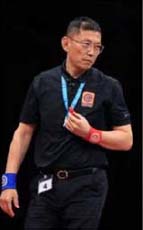 |
Jian Sun |
| Employment: School of Athletic Training, Guangzhou Sport University, Guang Zhou, China |
| Degree: Master’s degree in Sports Pedagogy and Training |
| Research interests: Sport-specific conditioning; Performance diagnostics; Training load management |
| E-mail: sunjian@gzsport.edu.cn |
| |
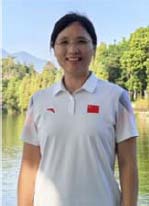 |
Duanying Li |
| Employment: School of Athletic Training, Guangzhou Sport University, Guang Zhou, China |
| Degree: PhD in Sports Pedagogy and Training |
| Research interests: Monitoring and evaluation of physical performance;AI-enabled strength and conditioning |
| E-mail: liduany@gzsport.edu.cn |
| |
|
| |
| REFERENCES |
 Üçok, K., Gökbel, H., Okudan, N. (2005) The load of the Wingate test: According to the body weight or lean body mass? European Journal of General Medicine 2(1), 10-13. Crossref |
Aagaard, P., Simonsen, E. B., Andersen, J. L., Magnusson, P., Dyhre-Poulsen, P. (2002) Increased rate of force development and neural drive of human skeletal muscle following resistance training. Journal of Applied Physiology 93(4), 1318-1326. Crossref |
Adigüzel, N. S., Günay, M. (2016) The effect of eight weeks plyometric training on anaerobic power, counter movement jumping and isokinetic strength in 15-18 years basketball players. International Journal of Environmental Science Education 11(15), 3241-3250. |
Alcaraz, P. E., Sánchez-Lorente, J., Blazevich, A. J. (2008) Physical performance and cardiovascular responses to an acute bout of heavy resistance circuit training versus traditional strength training. Journal of Strength and Conditioning Research 22(3), 667-671. Crossref |
Bassett, D. R., Howley, E. T. (2000) Limiting factors for maximum oxygen uptake and determinants of endurance performance. Medicine and Science in Sports and Exercise 32(1), 70-84. Crossref |
Beneke, R., Pollmann, C., Bleif, I., Leithäuser, R., Hütler, M. (2002) How anaerobic is the Wingate Anaerobic Test for humans? European Journal of Applied Physiology 87(4-5), 388-392. Crossref |
Cadegiani, F. A., Kater, C. E., Gazola, M. (2019) Clinical and biochemical characteristics of high-intensity functional training (HIFT) and overtraining syndrome: findings from the EROS study (The EROS-HIFT). Journal of Sports Sciences 37(11), 1296-1307. Crossref |
Caimi, G., Carlisi, M., Presti, R. L. (2023) Red blood cell distribution width, erythrocyte indices, and elongation index at baseline in a group of trained subjects. Journal of Clinical Medicine 13(1), 151. Crossref |
Campos, G. E., Luecke, T. J., Wendeln, H. K., Toma, K., Hagerman, F. C., Murray, T. F., Ragg, K. E., Ratamess, N. A., Kraemer, W. J., Staron, R. S. (2002) Muscular adaptations in response to three different resistance-training regimens: specificity of repetition maximum training zones. European Journal of Applied Physiology 88(1-2), 50-60. Crossref |
Cardaci, T. D., Machek, S. B., Wilburn, D. T., Heileson, J. L., Willoughby, D. S. (2020) High-load resistance exercise augments androgen receptor-DNA binding and Wnt/β-catenin signaling without increases in serum/muscle androgens or androgen receptor content. Nutrients 12(12), 3829. Crossref |
Castañeda-Babarro, A. (2021) The Wingate anaerobic test, a narrative review of the protocol variables that affect the results obtained. Applied Sciences 11(16), 7417. Crossref |
Ciekot-Sołtysiak, M., Kusy, K., Podgórski, T., Pospieszna, B., Zieliński, J. (2024) Changes in red blood cell parameters during incremental exercise in highly trained athletes of different sport specializations. PeerJ 12, e17040. Crossref |
Coelho-e-Silva, M. J., Sousa-e-Silva, P., Morato, V. S., Costa, D. C., Martinho, D. V., Rama, L. M., Valente-dos-Santos, J., Werneck, A. O., Tavares, Ó. M., Conde, J. (2020) Allometric modeling of Wingate test among adult male athletes from combat sports. Medicina 56(9), 480. Crossref |
Cohen, J. (2013) Statistical power analysis for the behavioral sciences. Routledge. Crossref |
Convertino, V. A. (1991) Blood volume: its adaptation to endurance training. Medicine and Science in Sports and Exercise 23(12), 1338-1348. Crossref |
Cormack, S. J., Newton, R. U., McGuigan, M. R., Doyle, T. L. (2008) Reliability of measures obtained during single and repeated countermovement jumps. International Journal of Sports Physiology and Performance 3(2), 131-144. Crossref |
Cormie, P., McGuigan, M. R., Newton, R. U. (2011) Developing maximal neuromuscular power: Part 2—training considerations for improving maximal power production. Sports Medicine 41(2), 125-146. Crossref |
Crewther, B. T., Kilduff, L. P., Cook, C. J., Cunningham, D., Bunce, P., Bracken, R., Gaviglio, C. M. (2012) Relationships between salivary free testosterone and the expression of force and power in elite athletes. Journal of Sports Medicine and Physical Fitness 52(2), 221-227. |
Da Silva, R. L., Brentano, M. A., Kruel, L. F. M. (2010) Effects of different strength training methods on postexercise energetic expenditure. Journal of Strength and Conditioning Research 24(9), 2255-2260. Crossref |
Damian, M.-T., Vulturar, R., Login, C. C., Damian, L., Chis, A., Bojan, A. (2021) Anemia in sports: a narrative review. Life 11(10), 987. Crossref |
Feito, Y., Heinrich, K. M., Butcher, S. J., Poston, W. S. C. (2018a) (2018a) High-intensity functional training (HIFT): definition and research implications for improved fitness. Sports 6(3), 76. Crossref |
Feito, Y., Hoffstetter, W., Serafini, P., Mangine, G. (2018b) (2018b) Changes in body composition, bone metabolism, strength, and skill-specific performance resulting from 16-weeks of HIFT. Plos One 13(6), e0198324. Crossref |
Gallagher, P. G. (2017) Disorders of erythrocyte hydration. Blood 130(23), 2699-2708. Crossref |
Garber, C. E., Blissmer, B., Deschenes, M. R., Franklin, B. A., Lamonte, M. J., Lee, I.-M., Nieman, D. C., Swain, D. P. (2011) Quantity and quality of exercise for developing and maintaining cardiorespiratory, musculoskeletal, and neuromotor fitness in apparently healthy adults: Guidance for prescribing exercise. Medicine and Science in Sports and Exercise 43(7), 1334-1359. Crossref |
Gastin, P. B. (2001) Energy system interaction and relative contribution during maximal exercise. Sports Medicine 31(10), 725-741. Crossref |
Gomes, J. H., Mendes, R. R., Franca, C. S., Da Silva-Grigoletto, M. E., Pereira da Silva, D. R., Antoniolli, A. R., de Oliveira e Silva, A. M., Quintans-Júnior, L. J. (2020) Acute leucocyte, muscle damage, and stress marker responses to high-intensity functional training. Plos One 15(12), e0243276. Crossref |
Grgic, J., Lazinica, B., Schoenfeld, B. J., Pedisic, Z. (2020) Test-retest reliability of the one-repetition maximum (1RM) strength assessment: A systematic review. Sports Medicine - Open 6(1), 1-16. Crossref |
Haff, G. G., Triplett, N. T. (2021) Essentials of strength training and conditioning. Human Kinetics. |
Heinrich, K. M., Patel, P. M., O’Neal, J. L., Heinrich, B. S. (2014) High-intensity compared to moderate-intensity training for exercise initiation, enjoyment, adherence, and intentions: An intervention study. BMC Public Health 14, 789. Crossref |
Hellsten, Y., Nyberg, M. (2016) Cardiovascular adaptations to exercise training. Comprehensive Physiology 6(1), 1-32. Crossref |
Hermassi, S., Laudner, K., Schwesig, R. (2020) The effects of circuit strength training on the development of physical fitness and performance-related variables in handball players. Journal of Human Kinetics 71(1), 191-203. Crossref |
Iversen, V. M., Norum, M., Schoenfeld, B. J., Fimland, M. S. (2021) No time to lift? Designing time-efficient training programs for strength and hypertrophy: A narrative review. Sports Medicine 51(10), 2079-2095. Crossref |
Jacob, N., Novaes, J. S., Behm, D. G., Vieira, J. G., Dias, M. R., Vianna, J. M. (2020) Characterization of hormonal, metabolic, and inflammatory responses in CrossFit® training: A systematic review. Frontiers in Physiology 11, 1001. Crossref |
Jenkins, N. D., Miramonti, A. A., Hill, E. C., Smith, C. M., Cochrane-Snyman, K. C., Housh, T. J., Cramer, J. T. (2017) Greater neural adaptations following high-vs. low-load resistance training. Frontiers in Physiology 8, 331. Crossref |
Jiménez-Reyes, P., Samozino, P., Pareja-Blanco, F., Conceição, F., Cuadrado-Peñafiel, V., González-Badillo, J. J., Morin, J.-B. (2017) Validity of a simple method for measuring force-velocity-power profile in countermovement jump. International Journal of Sports Physiology and Performance 12(1), 36-43. Crossref |
Kapsis, D. P., Tsoukos, A., Psarraki, M. P., Douda, H. T., Smilios, I., Bogdanis, G. C. (2022) Changes in body composition and strength after 12 weeks of high-intensity functional training with two different loads in physically active men and women: A randomized controlled study. Sports 10(1), 7. Crossref |
Klika, B., Jordan, C. (2013) High-intensity circuit training using body weight: Maximum results with minimal investment. ACSM’s Health and Fitness Journal 17(3), 8-13. Crossref |
Koo, T. K., Li, M. Y. (2016) A guideline of selecting and reporting intraclass correlation coefficients for reliability research. Journal of Chiropractic Medicine 15(2), 155-163. Crossref |
Kraemer, W. J., Adams, K., Cafarelli, E., Dudley, G. A., Dooly, C., Feigenbaum, M. S., Fleck, S. J., Franklin, B., Fry, A. C., Hoffman, J. R. (2002) American College of Sports Medicine position stand. Progression models in resistance training for healthy adults. Medicine and Science in Sports and Exercise 34(2), 364-380. Crossref |
Kraemer, W. J., Ratamess, N. A. (2005) Hormonal responses and adaptations to resistance exercise and training. Sports Medicine 35(4), 339-361. Crossref |
Lachenbruch, P. A. (1989) Statistical power analysis for the behavioral sciences. Journal of the American Statistical Association 84(407), 1096-1097. Crossref |
Lakens, D. (2022) Sample size justification. Collabra: Psychology 8(1), 33267. Crossref |
Mølmen, K. S., Almquist, N. W., Skattebo, Ø. (2025) Effects of exercise training on mitochondrial and capillary growth in human skeletal muscle: A systematic review and meta-regression. Sports Medicine 55(1), 115-144. Crossref |
Maffiuletti, N. A., Aagaard, P., Blazevich, A. J., Folland, J., Tillin, N., Duchateau, J. (2016) Rate of force development: Physiological and methodological considerations. European Journal of Applied Physiology 116(6), 1091-1116. Crossref |
Mairbäurl, H. (2013) Red blood cells in sports: Effects of exercise and training on oxygen supply by red blood cells. Frontiers in Physiology 4, 332. Crossref |
Mangine, G. T., Van Dusseldorp, T. A., Feito, Y., Holmes, A. J., Serafini, P. R., Box, A. G., Gonzalez, A. M. (2018) Testosterone and cortisol responses to five high-intensity functional training competition workouts in recreationally active adults. Sports 6(3), 62. Crossref |
Markovic, G., Jaric, S. (2007) Is vertical jump height a body size-independent measure of muscle power? Journal of Sports Sciences 25(12), 1355-1363. Crossref |
Martínez-Vizcaíno, V., Cavero-Redondo, I., Reina-Gutiérrez, S., Gracia-Marco, L., Gil-Cosano, J. J., Bizzozero-Peroni, B., Rodriguez-Artalejo, F., Ubago-Guisado, E. (2023) Comparative effects of different types of exercise on health-related quality of life during and after active cancer treatment: A systematic review and network meta-analysis. Journal of Sport and Health Science 12(5), 726-738. Crossref |
Meeusen, R., Duclos, M., Foster, C., Fry, A., Gleeson, M., Nieman, D., Raglin, J., Rietjens, G., Steinacker, J., Urhausen, A. (2013) Prevention, diagnosis and treatment of the overtraining syndrome: Joint consensus statement of the ECSS and ACSM. European Journal of Sport Science 13(1), 1-24. Crossref |
Merritt, B., Wheeler, T. (2014) Mean corpuscular hemoglobin (MCH) and mean corpuscular hemoglobin concentration (MCHC). Medscape. |
Micke, F., Isenmann, E., Geisler, S., Held, S. (2025) Effects of repeated 1RM testing on strength, velocity, and load-velocity profiling: A repeated measurement trial. Journal of Sports Science and Medicine 24(3), 303. Crossref |
Midgley, A. W., McNaughton, L. R., Polman, R., Marchant, D. (2007) Criteria for determination of maximal oxygen uptake: A brief critique and recommendations for future research. Sports Medicine 37(12), 1019-1028. Crossref |
Morin, J.-B., Slawinski, J., Dorel, S., Couturier, A., Samozino, P., Brughelli, M., Rabita, G. (2015) Acceleration capability in elite sprinters and ground impulse: Push more, brake less? Journal of Biomechanics 48(12), 3149-3154. Crossref |
Muñoz-Martínez, F. A., Rubio-Arias, J. A., Ramos-Campo, D. J., Alcaraz, P. E. (2017) Effectiveness of resistance circuit-based training for maximum oxygen uptake and upper-body one-repetition maximum improvements: A systematic review and meta-analysis. Sports Medicine 47(12), 2553-2568. Crossref |
Murawska-Cialowicz, E., Wojna, J., Zuwala-Jagiello, J. (2015) CrossFit training changes brain-derived neurotrophic factor and irisin levels at rest, after Wingate and progressive tests, and improves aerobic capacity and body composition of young physically active men and women. Pharmacological Reports 66(5), 811-821. |
Nygaard Falch, H., Guldteig Rædergård, H., van den Tillaar, R. (2019) Effect of different physical training forms on change of direction ability: A systematic review and meta-analysis. Sports Medicine - Open 5(1), 53. Crossref |
Oberholzer, L., Siebenmann, C., Mikkelsen, C. J., Junge, N., Piil, J. F., Morris, N. B., Goetze, J. P., Meinild Lundby, A.-K., Nybo, L., Lundby, C. (2019) Hematological adaptations to prolonged heat acclimation in endurance-trained males. Frontiers in Physiology 10, 1379. Crossref |
Pardos-Mainer, E., Casajús, J. A., Gonzalo-Skok, O. (2019) Reliability and sensitivity of jumping, linear sprinting and change of direction ability tests in adolescent female football players. Science and Medicine in Football 3(3), 183-190. Crossref |
Perez-Gomez, J., Rodriguez, G. V., Ara, I., Olmedillas, H., Chavarren, J., González-Henriquez, J. J., Dorado, C., Calbet, J. A. (2008) Role of muscle mass on sprint performance: Gender differences? European Journal of Applied Physiology 102(6), 685-694. Crossref |
Posnakidis, G., Aphamis, G., Giannaki, C. D., Mougios, V., Aristotelous, P., Samoutis, G., Bogdanis, G. C. (2022) High-intensity functional training improves cardiorespiratory fitness and neuromuscular performance without inflammation or muscle damage. Journal of Strength and Conditioning Research 36(3), 615-623. Crossref |
Potter, N. J., Tomkinson, G. R., Dufner, T. J., Walch, T. J., Roemmich, J. N., Wilson, P. B., Fitzgerald, J. S., Research, C. (2021) Effects of exercise training on resting testosterone concentrations in insufficiently active men: A systematic review and meta-analysis. Journal of Strength and Conditioning Research 35(12), 3521-3528. Crossref |
Ramos-Campo, D. J., Andreu Caravaca, L., Martinez-Rodriguez, A., Rubio-Arias, J. Á. (2021) Effects of resistance circuit-based training on body composition, strength and cardiorespiratory fitness: A systematic review and meta-analysis. Biology 10(5), 377. Crossref |
Ruddock, A. D., Winter, E. M. (2016) Jumping depends on impulse not power. Journal of Sports Sciences 34(6), 584-585. Crossref |
Schoenfeld, B. J. (2010) The mechanisms of muscle hypertrophy and their application to resistance training. Journal of Strength and Conditioning Research 24(10), 2857-2872. Crossref |
Seitz, L. B., Reyes, A., Tran, T. T., de Villarreal, E. S., Haff, G. G. (2014) Increases in lower-body strength transfer positively to sprint performance: A systematic review with meta-analysis. Sports Medicine 44(12), 1693-1702. Crossref |
Seo, D.-I., Kim, E., Fahs, C. A., Rossow, L., Young, K., Ferguson, S. L., Thiebaud, R., Sherk, V. D., Loenneke, J. P., Kim, D. (2012) Reliability of the one-repetition maximum test based on muscle group and gender. Journal of Sports Science and Medicine 11(2), 221-225. Crossref |
Soriano, M. A., Jiménez-Reyes, P., Rhea, M. R., Marín, P. J. (2015) The optimal load for maximal power production during lower-body resistance exercises: A meta-analysis. Sports Medicine 45(8), 1191-1205. Crossref |
Staron, R., Karapondo, D., Kraemer, W., Fry, A., Gordon, S., Falkel, J. E., Hagerman, F., Hikida, R. (1994) Skeletal muscle adaptations during early phase of heavy-resistance training in men and women. Journal of Applied Physiology 76(3), 1247-1255. Crossref |
Tomabechi, N., Takizawa, K., Shibata, K., Mizuno, M. (2021) Effects of work-matched high-intensity intermittent cycling training with different loads and cadences on Wingate anaerobic test performance in university athletes. The Journal of Physical Fitness and Sports Medicine 10(3), 191-198. Crossref |
Tortu, E., Ouergui, I., Ulupinar, S., Özbay, S., Gençoğlu, C., Ardigò, L. P. (2024) The contribution of energy systems during 30-second lower body Wingate anaerobic test in combat sports athletes: Intermittent versus single forms and gender comparison. Plos One 19(4), e0303888. Crossref |
West, D. W., Phillips, S. M. (2012) Associations of exercise-induced hormone profiles and gains in strength and hypertrophy in a large cohort after weight training. European Journal of Applied Physiology 112(7), 2693-2702. Crossref |
Wilke, J., Mohr, L. (2020) Chronic effects of high-intensity functional training on motor function: A systematic review with multilevel meta-analysis. Scientific Reports 10(1), 21680. Crossref |
|
| |
|
|
|
|


